


Buying a used boat can be a smart way to get on the water, but a clean appearance does not always mean the vessel is in good condition. Fresh paint, polished fittings and a tidy interior can hide structural damage, engine wear, electrical faults, water intrusion and poor past repairs. These issues may not be obvious during a quick inspection, yet they can lead to costly repairs, safety concerns and ongoing reliability problems after purchase.
Superior Marine Services explains the common hidden problems buyers should look for when inspecting a used boat, from hull and deck damage through to engine, fuel, electrical, trailer and sea trial concerns. For buyers who want added confidence before committing to a purchase, guidance from a trusted marine mechanic in Sydney can help identify issues that may not be obvious during a quick inspection.
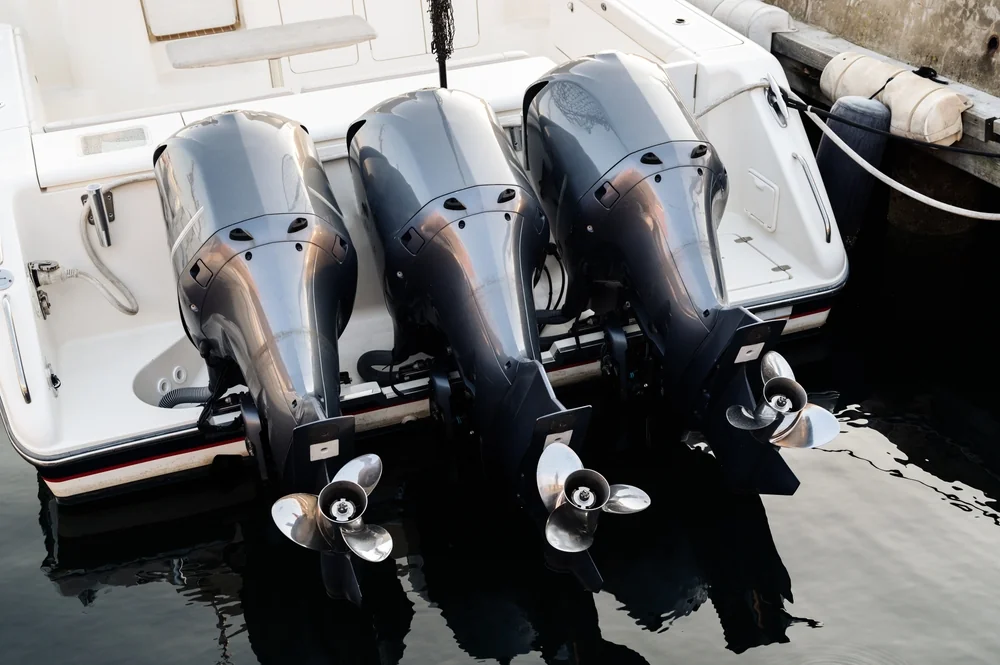
Hidden Engine and Fuel System Issues
Engine and fuel system problems can turn a good deal into an expensive repair job. Some faults are easy to miss during a quick inspection, especially if the engine has been warmed up, recently serviced or cleaned before the buyer arrives. A proper assessment needs to go beyond listening for odd noises or watching the engine idle at the dock.
Buyers should look for signs of corrosion, overheating, fluid contamination, poor maintenance and mismatched components. These clues often reveal how the boat has been used and whether problems have been covered up rather than properly repaired.
Engine Wear, Overheating and Corrosion
Start with a cold engine where possible. Hard starting, excessive cranking or heavy smoke at start-up may indicate compression issues, worn injectors or glow plug problems on diesel engines. Blue smoke can suggest oil burning, black smoke may point to overfuelling and white smoke can indicate unburned fuel or coolant entering the cylinders.
Check the engine block, heads and manifolds for rust streaks, salt crystals or dried coolant tracks. These marks can reveal past overheating or small leaks. Look closely around freeze plugs, hose connections and gasket lines. Flaking paint on the block or a burnt appearance near the exhaust risers can indicate high operating temperatures that may have already shortened engine life.
Motor mounts and alignment also deserve attention. Cracked, oil-soaked or sagging mounts can create vibration that damages couplings, shafts and nearby components. Misalignment may show up as unusual wear on coupling faces or excessive vibration under load.
On outboards and stern drives, tilt the unit fully up and inspect the gearcase and mounting bracket. Pitting, bubbling paint or deep corrosion near the waterline may suggest electrolytic or galvanic corrosion that could extend inside the unit.
Cooling System and Lubrication Red Flags
Raw-water-cooled engines are especially vulnerable in salt or brackish environments. Inspect risers and manifolds for rust around joints, weeping seams or corrosion marks. Coolant stains, mineral deposits around hose barbs, weak clamps and staining around heat exchanger end caps can all suggest chronic seepage.
Remove the oil fill cap and check the dipstick. Milky, frothy or chocolate-coloured oil can indicate water intrusion. A burnt smell or visible metal particles may suggest internal wear. On outboards and stern drives, a small sample of gear oil can also reveal problems. Milky gear oil or water droplets may point to failed seals and possible gear damage.
Maintenance records are especially useful here. Look for regular oil and filter changes, impeller replacements and cooling system servicing. Long gaps, vague entries or missing records can suggest deferred maintenance that may surface as expensive repairs later.
Fuel Contamination and Ageing Components
Older tanks and fuel lines can hide serious issues. If possible, draw a sample from the bottom of the tank or filter bowl into a clean, clear container. Dark sludge, rust flakes or a coffee-coloured haze can indicate contamination. In diesel systems, a black or slimy layer may suggest microbial growth that can quickly clog filters.
Check the condition and age of fuel hoses. Cracked, stiff or unmarked hoses should be treated as suspect. Hoses marked “A1” or “A1-15” are generally preferred for inboard petrol applications. Dampness around hose connections, primer bulbs or fuel pumps may indicate small leaks.
Fuel filters and water separators should also be inspected. A heavily darkened or neglected filter can point to long-standing contamination or poor maintenance. If an engine stumbles at higher rpm, the cause may be restricted fuel flow from clogged filters, collapsing hoses or a failing lift pump.
Where the fuel tank is accessible, inspect it carefully. Corroded metal tanks, strong fuel odours in enclosed spaces or staining around inspection ports and welds are warning signs that should be professionally checked before purchase.
Hull, Deck and Water Damage
Hull and deck problems can be difficult to spot because they are often hidden under shiny gelcoat, fresh paint or surface repairs. Structural damage, moisture intrusion and poorly repaired impacts can affect the safety, value and long-term reliability of the boat.
Water damage is particularly important. Once moisture enters cored sections of the hull or deck, it can weaken the structure, compromise fittings and become costly to repair. A careful walkaround, hands-on checks and professional moisture testing can reveal problems that may not be visible at first glance.
Inspecting the Hull for Structural Issues
Begin with a slow walk from bow to stern on both sides of the boat. Look along the hull in angled light. Subtle waves, ripples or flat spots may indicate previous impact damage or poorly finished repairs. Pay close attention around the bow, chines, keel and transom, where impacts are more common.
Hairline cracks in gelcoat are not always serious, especially around moulded corners or cosmetic features. However, long cracks radiating from stringers, bulkheads, through-hulls or the transom can indicate structural movement. Starburst cracks around trailer bunks or jack points may suggest the boat has been poorly supported.
A simple tapping test can also help identify trouble. Tap the hull with a small plastic hammer or the handle of a screwdriver. A crisp ticking sound is generally normal on solid laminate, while a dull thud may indicate delamination or moisture intrusion. Focus on the waterline, repair patches and keel. Any soft spots under hand pressure should be treated as a serious warning sign.
Decks, Cores and Hardware Leaks
Many modern decks are cored with plywood or foam to keep them stiff and light. When water enters through poorly sealed fittings, the core can rot, soften or break down. Walk every accessible deck area and pay attention to how it feels underfoot. A springy, spongy or flexing deck around cleats, stanchions, hatches or mast bases is a red flag.
Check all hardware penetration points closely. Look for cracked or missing sealant around handrails, hatches, windlasses, stanchion bases, fuel fills and rod holders. Brown or green streaks below fittings on the interior liner often point to ongoing leaks from above. On sailing boats, chainplates and mast step areas need especially close attention.
Inside cabins and lockers, inspect the underside of the deck and coach roof. Water tracks, peeling headliner, mildew staining and corrosion on backing plates can all suggest leaks. A persistent musty smell, even when the area is dry, may indicate hidden dampness inside the core.
Bilges, Stringers and Hidden Water Damage
Open every bilge compartment, under-seat locker and storage void. Standing water, strong mildew odours, flaking paint or oily residue can indicate long-term damp conditions. Use a torch to inspect stringers and frames for cracks, poorly bonded fibreglass or dark-stained timber that may be wet.
Pay close attention to where bulkheads meet the hull. Gaps, separated fibreglass tabbing or movement when pushed by hand may suggest structural problems. In engine spaces, inspect under engines and around shaft logs for rust blooms, soggy sound deadening or water that appears to have been sitting for a long time.
If the boat has plywood floors or interior panels, check the lower edges for swelling, softness or delamination. These areas often reveal chronic leaks from windows, chainplates or deck fittings. Where possible, a professional moisture metre survey is recommended because many serious water intrusion problems cannot be seen from the surface.
Transom Weakness or Movement
A weak or flexing transom is one of the most expensive structural problems a used boat can hide. The transom carries the load of the engine and absorbs force from waves, acceleration and trailering. If it is wet, rotten or delaminated, the boat’s safety and value can be seriously affected.
Most transom problems are caused by water entering the core through poorly sealed engine mounting bolts, accessory screws or fittings. On outboard and sterndrive boats, the transom should always be inspected carefully before purchase.
Visual Clues of a Compromised Transom
Start with a visual inspection from both inside and outside the boat. Look for hairline cracks around the engine mounting area, trim tabs, tie-down eyes and splashwell corners. Stress cracks that radiate outward or form spiderweb patterns may indicate flexing rather than simple cosmetic damage.
Staining or rust-coloured weeping around bolts and fittings can suggest trapped moisture. Paint or gelcoat that appears bulged, wavy or uneven near the engine may point to core swelling. Inside the boat, inspect the inner transom skin where the engine bracket is backed up. Discoloured wood, loose glass cloth or amateur-looking repairs with uneven resin or mismatched paint deserve closer attention.
Aluminium and fibreglass boats can both suffer from transom weakness. On aluminium hulls, look for cracked welds, separated seams or rivets that have pulled or elongated around the engine bracket. On fibreglass hulls, pay attention to areas where the inner skin appears to have separated from the core.
Simple Movement and Sound Tests
With the boat on the trailer, trim the outboard or sterndrive fully down. Grasp the lower unit and gently push it up and down, then side to side, while watching the joint between the engine bracket and the transom. Any visible flex in the transom itself, rather than movement in the engine mounts or steering pivot, is a warning sign.
Inside the boat, watch the inner transom while a helper moves the engine. A sound transom should behave like a single rigid panel. Any bowing, shifting or movement that can be seen or felt may indicate a wet or deteriorated core.
A tapping test can also reveal inconsistencies. Use a small plastic or wooden mallet and tap across the transom in a grid pattern. A healthy, dry core should produce a sharp and consistent sound. Dull or hollow tones may indicate moisture, delamination or separation between the core and fibreglass skins.
Electrical and Battery Problems
Electrical and battery issues are among the most common hidden problems on used boats. They can also be a major cause of breakdowns and onboard safety hazards. A neglected electrical system may lead to unreliable equipment, charging problems, fire risks or complete loss of power offshore.
Many buyers focus heavily on the engine and hull, but wiring, batteries and charging systems deserve the same attention. A careful inspection often reveals shortcuts, amateur modifications and outdated components that will need correcting.
Inspecting Wiring and Connections
Start with visible wiring behind the helm, inside lockers and around the engine. Look for brittle or cracked insulation, melted sheathing, discolouration and chafing where wires pass through holes or rest on sharp edges. Household wire, extension cords or poorly joined cables should be treated as signs of improper work.
Connections are a common weak point. Corrosion on terminals, green powdery deposits, white residue on aluminium parts or blackened lugs may indicate moisture intrusion and high resistance. Twisted wires wrapped in electrical tape instead of proper crimped and heat-shrink terminals show poor workmanship and are unlikely to last in a marine environment.
Wire organisation also says a lot about maintenance standards. Unsupported cable runs, loose harnesses and unlabelled wires make troubleshooting difficult and often indicate years of piecemeal additions. A tidy panel with labelled breakers and secured wiring usually reflects better care.
Battery Age, Condition and Installation
Batteries are consumable items and are often pushed beyond their useful life. Check the date codes on each battery. Anything older than four to five years should be considered close to replacement unless there are strong maintenance records.
Inspect battery cases for bulging, cracks or acid staining around caps and trays. Corroded posts, swollen cables or wet battery tops can suggest overcharging or neglect. With all loads turned off, check voltage with a multimeter. A fully charged 12-volt battery should generally sit above 12.5 volts. Lower readings may indicate reduced capacity.
Battery installation is just as important as battery condition. Batteries should be secured with proper brackets or straps so they cannot move in rough water. Positive terminals should be protected with covers, and cables should be routed away from sharp metal edges, heat sources and fuel lines.
Charging Systems and Accessory Loads
Older boats often have added electronics and accessories that strain the original charging system. With the engine running, check voltage at the battery terminals. A typical 12-volt system should usually show around 13.8 to 14.4 volts while charging. Significantly lower readings may point to a weak alternator, failing regulator or poor wiring. Higher readings can damage batteries and electronics.
Shore power systems should also be inspected carefully. Look at inlets, plugs and cords for heat damage, discolouration or brittle insulation. Burn marks around AC outlets or the main breaker panel should be assessed by a marine electrician before purchase.
Essential systems should operate reliably on battery power alone. Test bilge pumps, navigation lights, radios and key electronics. Flickering lights, erratic gauges or electronics that reset when the engine starts may indicate marginal batteries, poor connections or undersized wiring.
Trailer Problems Buyers Often Miss
A clean hull and strong engine do not help if the trailer fails on the way home. The trailer is a critical part of many used boat purchases, yet buyers often give it only a quick glance. Hidden corrosion, worn running gear and outdated components can create safety risks and unexpected costs.
A proper trailer inspection should cover the frame, suspension, hubs, tyres, brakes, lights and tie-down hardware. Many problems are not obvious at first, so it is worth taking the time to inspect carefully.
Frame, Rust and Structural Integrity
Surface rust on an older trailer is common, but deep, flaky corrosion is a warning sign. Pay close attention to where the frame meets the spring hangers, cross members and tongue. Rust that flakes away with a screwdriver or causes swollen seams can indicate serious metal loss.
Inspect inside the frame rails where possible. Corrosion often starts from the inside, especially on painted steel trailers used in saltwater. Look for:
- soft spots or holes in the frame or tongue
- kinked or bent rails from past impacts
- fresh paint or undercoating that may be hiding repairs
- cracks around the coupler, winch post or major load points
The tongue area deserves special attention because failure here can be dangerous while towing.
Axles, Suspension, Hubs and Tyres
The trailer must be rated to carry the boat when fully fuelled and loaded with gear. Compare the axle rating tag with the boat’s published weight, then allow extra capacity for fuel, batteries, equipment and accessories.
Leaf springs can rust between the leaves where damage is difficult to see. Look for cracked leaves, shifted spring packs, missing shackles or seized hardware. Torsion axles can also hide internal corrosion, so check for sagging arms or uneven ride height.
Wheel hubs and bearings are common failure points. Spin each wheel by hand and listen for grinding or rumbling. Rock the tyre from top to bottom. Any play may suggest loose or worn bearings. Torn grease seals or grease streaks on the inside of the wheel can indicate contamination and bearing trouble.
Tyres may look fine but still be unsafe due to age. Check the date code on the sidewall. Trailer tyres older than five to six years should be treated with caution, even if the tread looks good. Sidewall cracking, uneven wear and mismatched load ratings are also warning signs.
Brakes, Lights and Hardware
Boat trailer brakes operate in a harsh environment, especially when regularly submerged. Inspect surge brake actuators for fluid leaks and rust around the master cylinder. Check hard brake lines for pitting, wet spots or corrosion. Flexible hoses may crack near the callipers, and drum brakes can seize internally if neglected.
Lighting problems are also common. Look for poor wiring repairs, exposed connectors, dangling splices and wires not routed through protective loom. Corroded bulb sockets or water inside light housings suggest repeated submersion without proper sealing.
Finally, inspect winch straps, safety chains, bow stops and tie-down points. Frayed straps, stretched chains, loose bow stops or rusted tie-down points may seem minor, but they can lead to serious damage on the road.
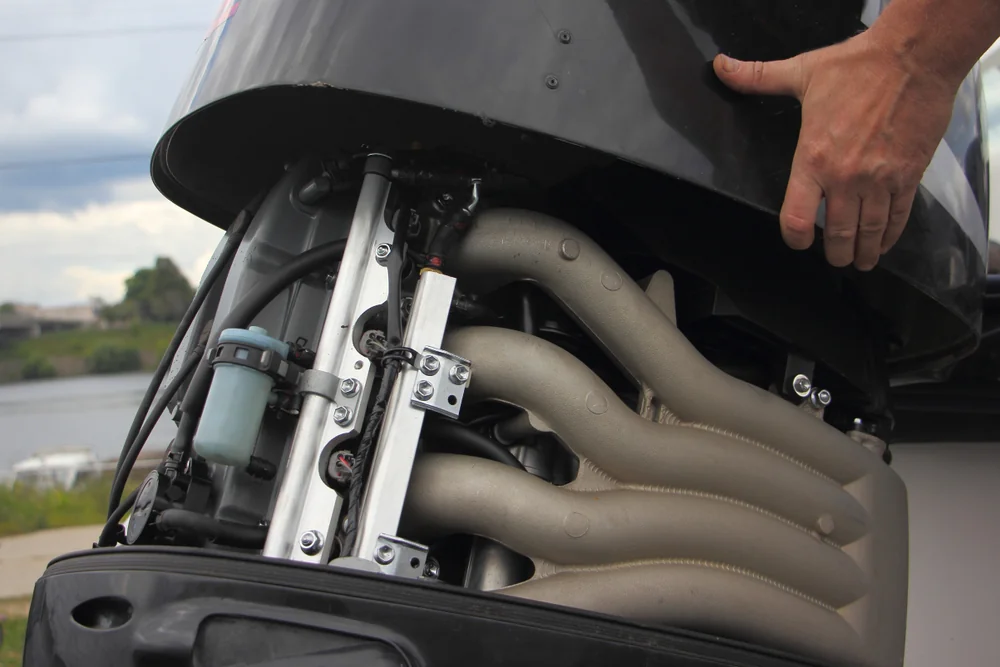
Problems That May Only Show Up on the Water
Some problems only reveal themselves once the boat is running under load. A boat that looks solid on the trailer or at the dock can feel very different at speed, in chop or during tight manoeuvres. This is why a proper sea trial is so important before finalising a used boat purchase.
A useful sea trial should test the boat at different speeds and under different conditions where safe to do so. Buyers should pay attention to how the boat handles, how the engine performs and whether any new noises, vibrations or leaks appear once the vessel is moving.
Handling, Steering and Tracking Issues
On the water, the boat should hold a straight course without constant correction. If the wheel needs to be held hard to one side, or the boat pulls sharply in one direction, there may be an issue with the drive, hull or steering system.
Possible causes include:
- misaligned or damaged outboard or sterndrive mounting
- bent propeller or shaft
- hull damage affecting tracking
- waterlogged flotation on one side
- worn steering cables or hydraulic steering faults
Sloppy or delayed steering response can indicate worn cables, loose linkages or failing hydraulic components. A steering wheel that binds, clunks or has excessive free play should be treated seriously.
Engine Performance Under Load
Engines that start and idle well at the dock can still struggle once pushed under load. During the sea trial, watch and listen carefully as the boat accelerates, cruises and returns to idle.
Key warning signs include:
- Slow time to plane: The boat should climb onto the plane without excessive effort. Slow planing may indicate a tired engine, wrong propeller pitch or extra weight from water intrusion.
- Incorrect wide open throttle RPM: Compare actual WOT RPM with the manufacturer’s recommended range. Low RPM may indicate a weak engine or over-propping, while high RPM can suggest the wrong propeller or slipping.
- Vibration and noise: New vibrations at certain speeds may point to a bent propeller, damaged mounts, misaligned drive or water in the prop hub.
- Overheating: Watch temperature gauges during extended running. Rising temperature at cruising speed may indicate a restricted cooling system, failing water pump or blocked intake.
- Loss of power or smoke: Warning alarms, power loss, backfiring or smoke beyond a brief cold-start puff should be treated as major red flags.
Hidden Structural and Deck Problems in Motion
Movement on the water can reveal structural issues that are not obvious during a static inspection. Persistent creaking, cracking or flexing sounds underfoot may indicate rotten stringers, delaminated cores or loose bulkheads. The deck and sole should feel solid, even when the hull is moving through light chop.
Pay attention to how the boat lands after crossing waves. A sharp hollow slam, rattling or excessive flexing may suggest loose interior components or compromised hull stiffening. Strong vibration or shudder when crossing wakes can also point to structural or drivetrain problems.
Water intrusion is often easier to spot after running the boat. After several minutes at speed, check the bilge, compartments and accessible voids. New water appearing quickly may suggest leaks through hull fittings, the transom, shaft logs or cracks that only open under movement.
Buying a used boat is about looking beyond the surface. A vessel may present well at first glance, but hidden issues with the hull, transom, engine, fuel system, wiring, batteries, trailer or onboard systems can quickly affect safety, performance and ownership costs. Careful inspection helps buyers identify warning signs before they become expensive problems.
Superior Marine Services recommends taking the time to check the boat thoroughly, review maintenance history and arrange professional inspections where needed. With the right checks in place, buyers can avoid costly surprises and choose a boat with greater confidence, reliability and peace of mind on the water.
