


Sydney Harbour offers some of the most spectacular boating conditions in the world, yet its busy waterways and changeable weather demand complete confidence in a vessel’s engine. Before hosting guests for a corporate charter, planning a family celebration or heading out for a full day of cruising, it is important to make sure the engine is ready for the workload ahead. Superior Marine Services understands how quickly a small mechanical issue can interrupt a day on the water, which is why thorough pre-departure checks matter so much.
This article explains the essential engine checks a marine mechanic in Sydney would typically recommend before a busy day on Sydney Harbour. Readers will learn what to look for when inspecting fuel quality, fluid condition, battery strength, cooling system performance and lower unit health, along with the warning signs that should never be ignored. With a disciplined approach to preparation, boat owners can reduce the risk of breakdowns, avoid unnecessary repair costs and head out with greater confidence.
Fuel Contamination and Fuel Line Issues to Check
Fuel problems are one of the most common reasons engines fail to start on the morning of an important booking or planned harbour outing. Before departure, it is worth confirming that the fuel in the tank is clean and that the full fuel delivery system is free from leaks, restrictions and air ingress.
Harbour conditions can be deceptive. A vessel may sit idle for weeks and then suddenly be expected to run hard for hours under load. That pattern increases the chance of sludge, water or microbial growth being drawn through the system at the worst possible time. A careful inspection before departure can prevent rough running, loss of power or a complete shutdown.
Check for Water and Contaminants in Fuel
Fuel contamination in Sydney Harbour can be linked to condensation inside tanks, biodiesel blends, poor fuel storage conditions or contamination from fuel docks. The first step is to inspect the fuel visually wherever possible.
If the vessel has a clear primary fuel filter bowl, look for:
- a distinct waterline at the bottom of the bowl
- cloudy or milky fuel, which may indicate water suspended in diesel
- dark sludge or coffee-ground-like debris, which can suggest microbial contamination
Where inspection ports or sight glasses are fitted to tanks, these can be checked with a torch for sludge on the bottom or streaking on the tank walls. Any sign of contamination should be addressed before departure. On diesel engines with water-separating filters, the drain at the base of the bowl can be opened into a clear container until clean fuel appears.
Inspect and Service Fuel Filters
Fuel filters provide the main defence against contamination reaching the engine. Before a major day on the water, both primary and secondary filters should be checked and spare filter elements should be carried on board if possible.
Primary filters and water separators should be inspected for:
- restricted flow, indicated by a vacuum gauge where fitted
- dirt or discolouration on the element if removed for inspection
- signs of air leaks around O-rings, drain plugs or housings
Secondary engine-mounted filters should be changed according to engine hours or slightly ahead of schedule if a major trip or event is planned. When replacing filters, it helps to use the correct manufacturer-specified element, lubricate seals appropriately and prime the system properly so that no air pockets remain. After replacement, the engine should be run and checked for leaks, hesitation or uneven acceleration.
Examine Fuel Lines, Vents and Connections
Fuel hoses, fittings and tank vents can deteriorate in Sydney’s UV exposure and heat. Over time, hoses can harden, crack or become porous, which may allow leaks or air to enter the system.
A full inspection from the tank to the engine should include:
- checking for wet spots, fuel staining or diesel odour in the bilge or around the tank
- feeling hoses for brittle, blistered or unusually soft sections
- checking hose clamps for tightness and corrosion
- confirming primer bulbs, anti-siphon loops and fittings are intact and functioning properly
Tank vents also need to be clear so the system can breathe as fuel is consumed. A blocked vent can create a vacuum in the tank and cause the engine to starve for fuel at higher rpm. Vent outlets should be inspected for salt build-up, insect nests and other obstructions.
Oil, Gearcase and Fluid Warning Signs
Before heading out on Sydney Harbour, it is important to make sure the engine’s key fluids are at the correct level and in good condition. Oil, gearcase lubricant, coolant and hydraulic fluids often provide early warning signs of internal problems long before a major failure occurs.
A quick but careful check of dipsticks, reservoirs and gearcases can reveal contamination, overheating, leaks or wear. If the appearance, smell or texture of a fluid seems unusual, it is usually best to investigate further before leaving the berth.
Engine Oil: Colour, Level and Smell
Engine oil should sit between the marks on the dipstick and should not show signs of contamination. Fresh oil may appear amber to dark honey in colour, while older oil may darken over time. However, oil that becomes unusually dark too quickly can indicate overheating or excessive engine stress.
Milky or creamy oil is a serious warning sign and often points to water intrusion. This may result from a failed gasket, cracked housing or other internal fault. If oil contains visible metal flakes or feels gritty between the fingers, that can indicate abnormal engine wear.
Oil that smells strongly of fuel can also point to a problem. Fuel dilution may result from incomplete combustion, injector faults or fuel washing past piston rings. In some cases, the oil level may even rise on the dipstick. Running an engine with fuel-diluted oil increases the risk of rapid internal damage.
Gearcase Lubricant: Leaks and Contamination
Gearcase oil is often overlooked, especially on outboards and sterndrives, but it is critical to the reliability of the lower unit. Before a major outing, it is worth checking around the propeller hub and seals for any signs of oil seepage or fishing line wrapped around the shaft.
When inspected during a scheduled oil change or by draining a small sample, gear oil should appear clean and uniform. Milky oil usually indicates water ingress through a damaged seal. Dark oil with a burnt smell may point to overheating or poor lubrication. Small traces of fine metallic residue on a drain plug magnet can be normal, but obvious shavings or heavy fuzz usually suggest internal wear.
Coolant, Power Steering and Trim Fluids
On inboard and sterndrive engines, coolant level and condition are just as important as oil quality. The coolant in the header tank should sit at the marked level and appear clean, with the correct colour for the specified coolant type. Rusty, cloudy or oily coolant can suggest corrosion, contamination or internal engine faults.
Hydraulic fluids used in steering and trim systems also deserve attention. These should generally be checked with rams in the correct position as specified by the manufacturer. Low fluid levels may cause heavy steering, poor trim response or complete loss of hydraulic assist. Foaming, discolouration or a burnt smell can point to overheating or air entering the system.
If a fluid needs frequent topping up, there is usually a leak somewhere in the system. Hoses, fittings, rams and seals should be inspected for dampness, staining or residue.
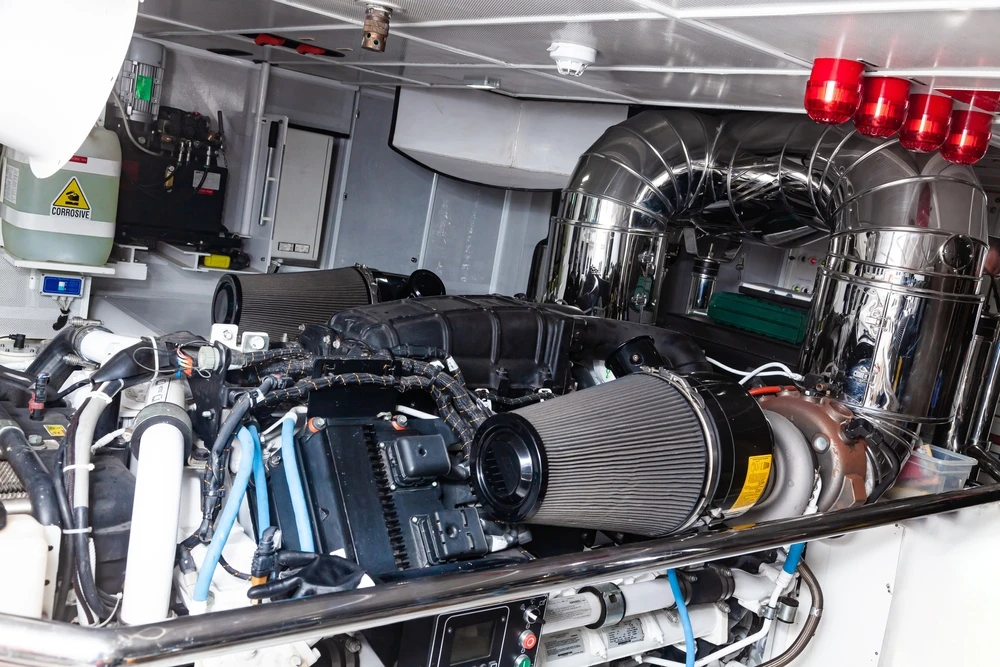
Impeller and Cooling System Failure Risks
Cooling system faults are one of the quickest ways to turn a harbour cruise into an expensive tow. Sydney Harbour conditions can be hard on raw water systems, especially when engines spend long periods idling before being asked to accelerate and hold cruising speed.
An impeller failure, blocked intake or restricted cooling circuit can cause temperatures to rise rapidly. That is why cooling system checks should form a routine part of preparation before any significant day on the water.
Why the Impeller Matters
The impeller is a rubber rotor inside the raw water pump that pulls seawater through the engine to maintain a safe operating temperature. If it fails, water flow can drop sharply and overheating can follow within minutes.
Before a major outing, it is sensible to confirm when the impeller was last replaced. If the service history is unclear, replacement is often a safer option than taking the risk. It is also worth checking for leaks around the raw water pump, along with corrosion or seepage around the cover plate and gasket.
Boats that have been sitting idle for a long period can be more vulnerable because impeller vanes may take a set or crack on restart.
Typical Failure Signs Before Overheating
Cooling system issues often show subtle warning signs before a full overheat occurs. Common signs include:
- weak or reduced water flow from the exhaust outlet
- a drier or harsher exhaust note than usual
- steam or light vapour from the exhaust after higher rpm running
- a gradual rise in temperature gauge readings
- alarms that come and go when engine speed changes
If these symptoms appear before departure, it is usually better to postpone the trip and inspect the system properly rather than hoping the problem will resolve once underway.
Common Sydney Harbour Cooling System Risks
Sydney Harbour presents its own cooling system challenges. Saltwater debris, weed, plastic bags, shell growth and marine fouling can all reduce water flow through the system.
Before heading out, it helps to:
- inspect seawater strainers and remove weed, shells or rubbish
- make sure strainer lids seal properly and are not drawing air
- confirm seacocks move freely and are fully open
- check hose clamps and fittings for salt crust or dried leak marks
- squeeze accessible hoses once warm to confirm they are firm, not collapsing or excessively hard
On vessels that operate regularly in salt water, flushing with fresh water where possible and keeping up with inspections of thermostats, anodes and cooling passages can make a noticeable difference to long-term reliability.
Battery Load and Starting Reliability
A healthy battery and reliable starting circuit are just as important as clean fuel and proper cooling. A flat or weak battery can cause delays at the ramp, problems at the marina and unnecessary stress when restarting after anchoring or drifting.
Because batteries can appear healthy until they are placed under load, a proper starting reliability check is worth doing before any major harbour trip.
Visual Inspection and Voltage Check
A quick visual inspection is the first step. Check for corrosion on battery terminals, loose or frayed cables, damp battery trays or bulging battery cases. Any white or green corrosion around the terminals should be cleaned away, and cable connections should be secure.
A multimeter can then be used to check open-circuit voltage with the engine and accessories switched off. As a general guide for a fully charged 12-volt lead-acid battery:
- 12.6 to 12.8 volts usually indicates a full charge
- around 12.4 volts is roughly 75 per cent charged
- 12.2 volts or lower suggests the battery may be weak or undercharged
If the reading remains low even after recent charging or normal use, the battery may be deteriorating.
Load and Cranking Performance
Voltage alone does not tell the full story. A battery can still show reasonable voltage and yet perform poorly under starting load. That is why it is useful to pay attention to how the engine cranks.
Warning signs include:
- slow or laboured cranking
- clicking from the starter solenoid
- large voltage drops during starting
- electronics resetting when the engine is cranked
If any of these symptoms are present, further testing of battery condition, charging output and cable integrity is worthwhile before the boat is relied on for a full day in busy harbour traffic.
Propeller Damage and Hidden Lower Unit Problems
Propeller and lower unit faults can affect acceleration, fuel use, steering and gearbox life. Even a minor impact with submerged debris, a ramp or a mooring can bend blades or damage seals without the problem being obvious at first glance.
A careful inspection only takes a few minutes and can reveal faults that would otherwise show up as vibration, slipping, poor handling or water contamination in the gearcase.
Checking for Visible and Hidden Propeller Damage
Start by trimming the engine up so the propeller is clear of the water. Each blade should be inspected for cracks, nicks, bent tips, missing chunks or signs of impact damage. Even a slight twist in one blade can upset balance and affect performance.
Running a hand carefully along the blade edges can help reveal ripples, roughness or cavitation burn. It is also worth checking behind the prop for fishing line, which can cut seals if left in place.
The propeller should then be checked for unwanted movement. There should not be noticeable side-to-side or in-and-out play. Any looseness can suggest worn bearings or hub problems. If the engine revs climb without matching boat speed under load, the prop hub may be slipping.
Spotting Lower Unit Problems Early
The lower unit houses gears and bearings that depend on clean, uncontaminated lubricant. Before a major harbour trip, checking for oil seepage around the prop shaft, gearcase seams and seals can help identify problems early.
If a small sample of gear oil is inspected and appears milky or coffee coloured, water ingress is likely and further use should be avoided until the leak is repaired. The skeg should also be checked for bends or missing sections, as damage there can affect tracking and may suggest a previous impact.
Steering movement is another useful clue. Turning from lock to lock should feel smooth and controlled. Grinding, stiffness or clunking can indicate issues with steering components or lower unit internals.
Warm-Up and Idle Behaviour
Once the earlier checks are complete, the engine should be started and allowed to warm up at idle. This stage often reveals problems that may not be obvious during a visual inspection.
The engine should start promptly without excessive cranking. Idle speed should stabilise at the correct rpm without hunting, surging or misfiring. The exhaust note should sound even and consistent. On a cool morning, a small amount of white vapour may be normal, but persistent white smoke, black smoke at idle or blue smoke should all be treated as warning signs.
During warm-up, it is worth confirming that:
- oil pressure rises promptly and remains stable
- coolant temperature increases gradually to normal operating range
- no fuel, seawater or exhaust leaks appear in the engine bay
- charging voltage sits within the normal range for that engine and system
This stage can prevent a problem from going unnoticed until the boat is already committed to busier harbour waters.
Short Load Test and Final Safety Checks
Before moving into the main harbour, a brief load test in a safe, low-traffic area can provide valuable reassurance. Bringing the boat up steadily to cruising rpm and holding it there for several minutes allows key readings to be observed under real operating conditions.
Temperature, oil pressure and charging behaviour should remain stable and consistent with the engine’s known normal range. Acceleration should feel clean and smooth, with no hesitation, surging, vibration or abnormal noise.
Before committing to the day’s trip, the final checks should include:
- testing the kill switch or emergency stop lanyard
- confirming the start battery is recovering charge after cranking
- checking that bilge pumps operate correctly and the bilge remains dry
- making sure VHF radio, chartplotter and sounder stay powered without voltage drop
Only once the engine and its support systems have passed these checks is the vessel properly ready for busier parts of Sydney Harbour.
Every item on a pre-departure engine checklist serves the same purpose: helping make time on Sydney Harbour safer, more reliable and more enjoyable. Checks on fuel quality, cooling flow, fluid condition, battery strength and lower unit health are not just routine maintenance steps. They are practical ways to reduce the likelihood of breakdowns, protect passengers and avoid expensive mechanical damage.
A methodical inspection before leaving the dock often reveals small faults before they become major problems on the water. That can mean the difference between a smooth harbour cruise and a disrupted day involving delays, lost bookings or emergency assistance. When warning signs are identified, taking the time to investigate properly is usually far less costly than pushing ahead and hoping for the best.
Preventative maintenance remains one of the most effective ways to keep a vessel dependable in busy harbour conditions. With regular checks, sensible servicing intervals and qualified mechanical support when needed, a boat is far more likely to perform as expected when it matters most.
