


Time on the water depends on a vessel that remains responsive, predictable and safe under all conditions. Subtle changes in performance, unusual sounds or intermittent electrical quirks are often early indicators of deeper issues developing below deck, making timely attention essential. Engaging a qualified marine mechanic in Sydney ensures these warning signs are accurately interpreted before they escalate into costly repairs or unexpected breakdowns. Superior Marine Services discusses the most common indicators that signal the need for a professional diagnostic check and how early action protects vessel performance and time on the water.
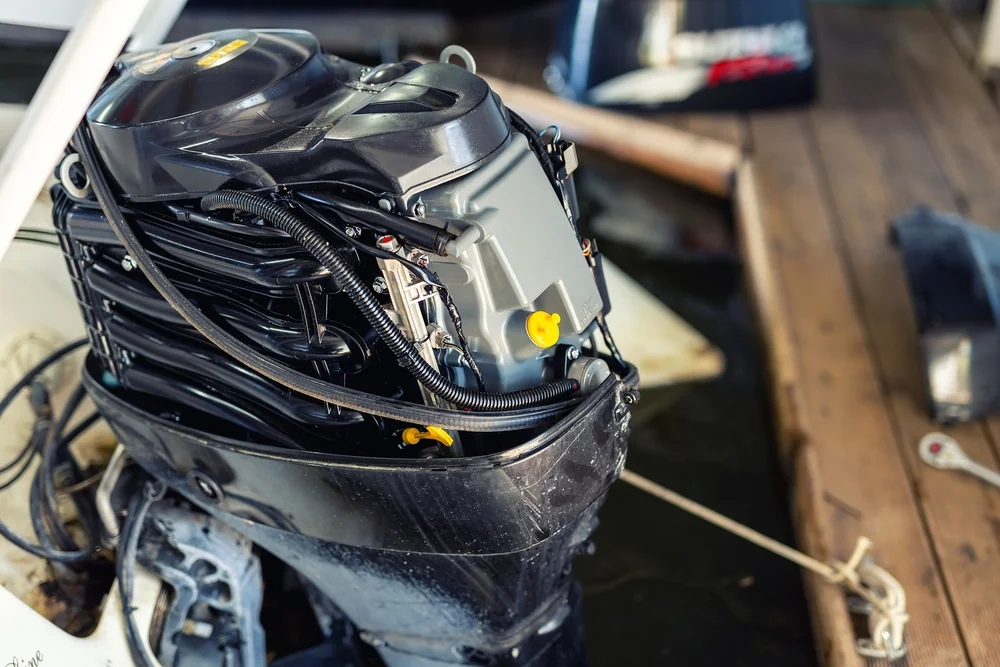
What a Boat Diagnostic Check Can Detect
A modern boat diagnostic check can reveal much more than a simple “pass or fail” on the engine. By plugging into the vessel’s electronic control systems and pairing that data with physical inspections and test runs, it becomes possible to pinpoint issues early, verify the true cause of warning lights and avoid guesswork with costly components.
For any boat that seems harder to start, runs rough, drinks more fuel than it used to or triggers alarms on the dash, a thorough diagnostic session can show exactly where the problem sits, whether in the engine, fuel delivery, electrical network or onboard electronics.
Engine Performance and Fuel System Problems
Engine diagnostics look deeply into how the powerplant is running under different loads and speeds. The scan tool reads data from sensors to highlight problems such as uneven cylinder performance, poor compression, ignition misfires or incorrect timing. This type of check often explains symptoms like rough idle, hesitation when accelerating or loss of top-end power.
Fuel system issues are another frequent discovery. Diagnostic readings combined with fuel pressure tests can identify clogged injectors, failing fuel pumps, contaminated fuel or problems with the fuel rail and regulators. On boats with electronic fuel injection, the system can flag lean or rich running conditions that shorten engine life and increase fuel consumption.
For engines equipped with electronic throttle control or variable valve timing, a diagnostic check confirms that these systems respond correctly and are synchronised with sensor inputs like throttle position, manifold pressure and engine temperature.
Cooling, Charging and Electrical Faults
Overheating is one of the most expensive failures in marine engines, yet a diagnostic check can often identify the cause long before serious damage occurs. Sensor data and fault codes help pinpoint failing thermostats, faulty temperature senders, restricted water flow or problems with seawater pumps and their impellers. If the engine is running too cool, the diagnostic report can reveal that as well, increasing wear and fuel use.
A comprehensive check also covers the charging system. Voltage readings and alternator output data can expose weak alternators, failing regulators or battery issues that lead to slow cranking or electronics shutting down under load. Intermittent electrical problems such as random resets of instruments or flickering lights can often be traced to failing relays, corroded connectors or poor grounds when the diagnostic routine is combined with load testing.
Electronic Controls, Sensors and Safety Systems
Modern boats rely heavily on electronic control units. A diagnostic scan can detect communication errors between engine control modules, helm displays, joystick controls and digital throttle and shift systems. This helps isolate the source of issues like delayed shifting, unresponsive throttles or unreliable digital gauges.
Sensor health is another key outcome of a diagnostic check. Faulty oxygen sensors, knock sensors, throttle position sensors, MAP or MAF sensors or oil pressure senders can all be identified and verified. Addressing a failing sensor early prevents incorrect fuelling strategies or safety shutdowns that leave the boat stranded.
Finally, many diagnostics include checks of safety-related systems such as engine guardian or limp modes, gear protection features and stored over-rev or overheat events. Reviewing this history gives a clear picture of how the engine has been treated and whether any protective shutdowns have been triggered in the past.
Performance Problems That May Point to a Fault
Performance issues on the water often provide the earliest and clearest warning that something in the engine, fuel system or drivetrain is not functioning correctly. Ignoring these changes can turn a simple adjustment or sensor replacement into a major repair. Recognising specific symptoms and seeking a diagnostic check quickly helps protect reliability and safety.
Many faults hide behind what seem like minor annoyances such as slower acceleration, rough running or increased fuel use. Modern marine engines rely on electronic control units and sensors, so a professional diagnostic scan is often the only way to pinpoint the real cause behind performance loss.
Loss of Power, Sluggish Acceleration or Struggling to Plane
A boat that used to jump on a plane but now feels sluggish or struggles to reach normal cruising speed often has an underlying mechanical or electronic issue. The problem may be as straightforward as a fouled propeller or hull, but persistent loss of power usually indicates a need for diagnostic testing.
Common internal causes include fuel delivery problems, ignition faults or restricted air intake. On electronically controlled engines, a faulty throttle position sensor, clogged injector or failing turbo (on diesel craft) can all limit power output without an obvious mechanical noise. If the engine revs unusually high without a corresponding increase in speed, the issue may lie in the propeller or drive rather than the engine itself, yet an onboard diagnostic check can still help confirm the engine is performing as commanded.
Rough Idle, Stalling or Hesitation Under Load
Engines that idle roughly, surge while in gear or stall when shifting into gear are strong candidates for a diagnostic inspection. These symptoms often point to incorrect fuel mixture, fouled plugs, failing coils or problems with idle control systems.
Hesitation or stumbling when throttling up is important. This can be caused by:
- Fuel pressure that drops under load
- Dirty or partially blocked injectors or carburettor circuits
- Sensor issues, such as mass airflow or manifold pressure errors, on modern engines
Because the engine management system constantly adjusts timing and fuel delivery, a single failing sensor can cause inconsistent operation that is difficult to trace by feel alone. A scan of fault codes and live data will usually reveal whether the problem is mechanical, electrical or fuel-related.
Increased Fuel Consumption, Smoke or Unusual Engine Noise
A noticeable increase in fuel use without a change in boating habits is another key indicator. Rich running caused by bad sensors, stuck thermostats or injector issues wastes fuel and may appear alongside black exhaust smoke or a strong fuel smell.
Different exhaust smoke colours can highlight specific faults. Black smoke often suggests an over-rich mixture or restricted air intake. Blue smoke can indicate oil burning and possible internal wear. White smoke may signal unburned fuel or coolant intrusion on some engines. Any persistent change in exhaust appearance justifies a diagnostic check before more serious damage develops.
New rattles, knocking or metallic ticking sounds under acceleration also warrant immediate attention. Even if the engine still seems to perform acceptably, these noises can signal detonation, valve train issues or failing internal components. Diagnostic testing combined with a professional mechanical inspection is essential whenever performance problems appear alongside new smoke or noise.
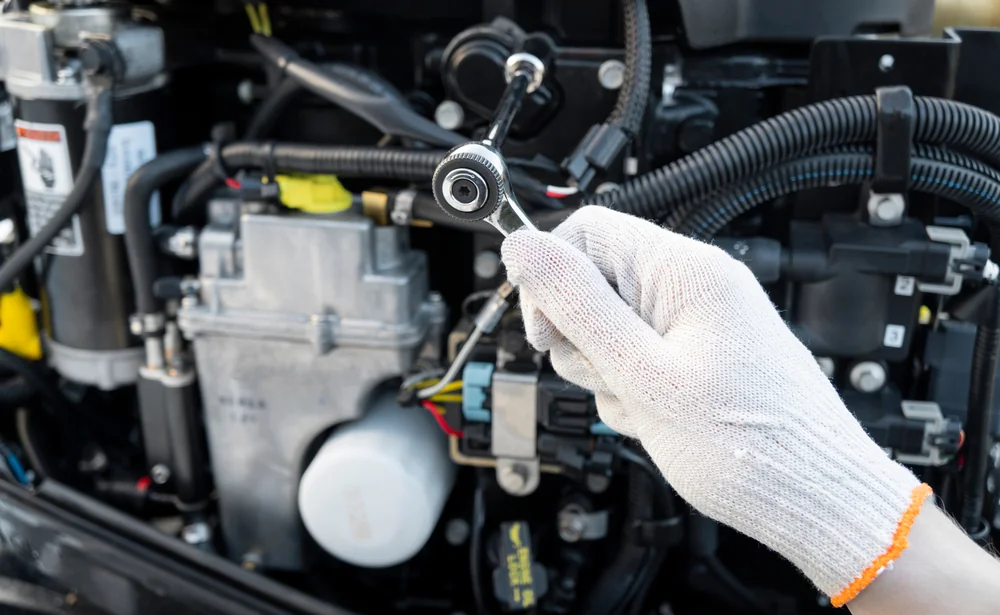
Warnings, Alarms and Other Signs You Should Not Ignore
Modern boats are designed to tell when something is wrong. Ignoring alarms, strange noises or unusual behaviour can turn a minor issue into an expensive repair or even a safety risk on the water. Any change in how the boat sounds, feels or responds is a signal that a diagnostic check may be overdue.
Some warnings come from onboard electronics and engine panels. Others show up as smells, vibrations or performance issues. All deserve prompt attention because they often point to developing problems inside systems that are not visible.
Dashboard Lights, Engine Alarms and Fault Codes
Indicator lights or alarm buzzers on the engine panel are never optional. They are tied to sensors that detect issues before they become critical. Common alerts that justify an immediate diagnostic check include:
- Check the engine or fault lights
- Oil pressure warnings
- High temperature or overheating alarms
- Charging system or battery indicator lights
An engine that suddenly goes into “limp” or power‑reduction mode is also signalling a problem, such as overheating, low oil pressure, sensor failure or fuel delivery issues. Continuing to run without identifying the cause can lead to serious engine damage.
Unusual Noises, Vibrations and Smells
New or changing mechanical noises often indicate emerging issues. Knocking or ticking from the engine may relate to fuel problems, valve train wear or low oil. Grinding or whining from the drive or transmission can signal gear wear, failing bearings or lubrication problems. Rattling or clunking under load may point to loose mounts or driveline misalignment that needs professional inspection.
Vibrations that were not present before merit attention as well. Steering wheel or deck vibration at specific speeds often hints at propeller damage, fouling or shaft problems. Left unchecked, this can stress seals, bearings and transmission components.
Unfamiliar smells are another clear warning. A strong fuel odour inside the cabin or engine space may indicate leaks or ventilation problems that create fire risk. Burning rubber or plastic smells can come from slipping belts, overheated wiring or failing electrical components. A sweet coolant smell suggests a leak or overheating issue that requires testing and pressure checks.
Performance Changes and Electrical Irregularities
Any change in performance without an obvious cause is a sign that diagnostics are needed. Hard starting, rough idle, loss of power, sluggish acceleration or increased fuel consumption can be linked to fuel contamination, clogged filters, injector issues, ignition faults or sensor problems. Black smoke from the exhaust indicates rich running, incomplete combustion or turbo issues on diesel engines. White or blue smoke may point to coolant or oil entering the combustion chambers.
Electrical irregularities also should not be ignored. Flickering gauges, random resets of electronics, dimming lights under load or batteries that do not stay charged often indicate charging system problems, bad connections or failing batteries. Because modern boats rely heavily on electronics, even small voltage issues can cascade into multiple system faults, which proper diagnostic testing can uncover before they result in breakdown on the water.
When a Diagnostic Check Is Worth Booking
A diagnostic check is worth booking when visible symptoms or subtle changes suggest an underlying fault that basic visual inspection cannot explain. Modern engines, electrical systems and onboard electronics are increasingly complex, so guessing at the cause of a problem often leads to wasted time and unnecessary parts replacement.
Timely diagnostics can prevent a minor issue from escalating into a breakdown on the water or a major repair bill. Recognising when it is time to connect professional diagnostic equipment rather than continue to troubleshoot by trial and error is critical for reliability and safety.
When Warning Lights or Alarms Activate
Any engine check light, fault code on a display or repeated alarm is a clear signal that a diagnostic session is due. Even if the engine appears to run normally, the control unit may have detected a condition that will worsen if ignored.
This is especially important when:
- A check engine or service light comes on and stays on
- The engine enters a “limp” or power-reduction mode
- Oil pressure, temperature or charging system alarms sound more than once
Modern marine engines store fault codes even after a light goes out. A diagnostic tool can retrieve this history to identify intermittent issues that are nearly impossible to pinpoint by feel or sound alone.
When Performance Changes Without an Obvious Cause
A noticeable change in how the boat runs that is not explained by load, sea state or fuel quality is another point where diagnostics are justified. Examples include sluggish acceleration, difficulty reaching normal top RPM, unstable idle or surging at steady throttle.
In these cases, a diagnostic check can:
- Confirm whether sensors such as throttle position, coolant temperature or boost pressure are reading correctly
- Reveal fuel system data like rail pressure on common rail diesels or injector balance
- Identify misfire counts or ignition problems on petrol engines
Without this data, guessing between fuel, ignition or mechanical issues can lead to unnecessary part swaps and extended downtime.
Before Major Trips or After Significant Events
A diagnostic check is also sensible as a preventive measure in specific situations. Before a long coastal passage or a heavy-use season, a baseline scan of the engine management and electronic systems can catch ageing components, stored but inactive codes or marginal sensors.
It is similarly worthwhile after an overheating incident, fuel contamination or running a tank very low and groundings or impacts that could affect driveline or sensor alignment. In these cases, diagnostics provide objective confirmation that the systems are healthy rather than relying only on how the engine sounds or feels at the dock.
Recognising when a boat requires a diagnostic check is essential for maintaining safety, reliability and long-term value. Subtle shifts in engine behaviour, recurring alarms, electrical irregularities and changes in handling all point to underlying issues that should not be overlooked. Addressing these signs early helps prevent minor faults from developing into major failures, reducing repair costs and avoiding unnecessary downtime.
